Embodied Breathwork & Reiki
-Conscous Connected Breathing with Trauma informed practitioner
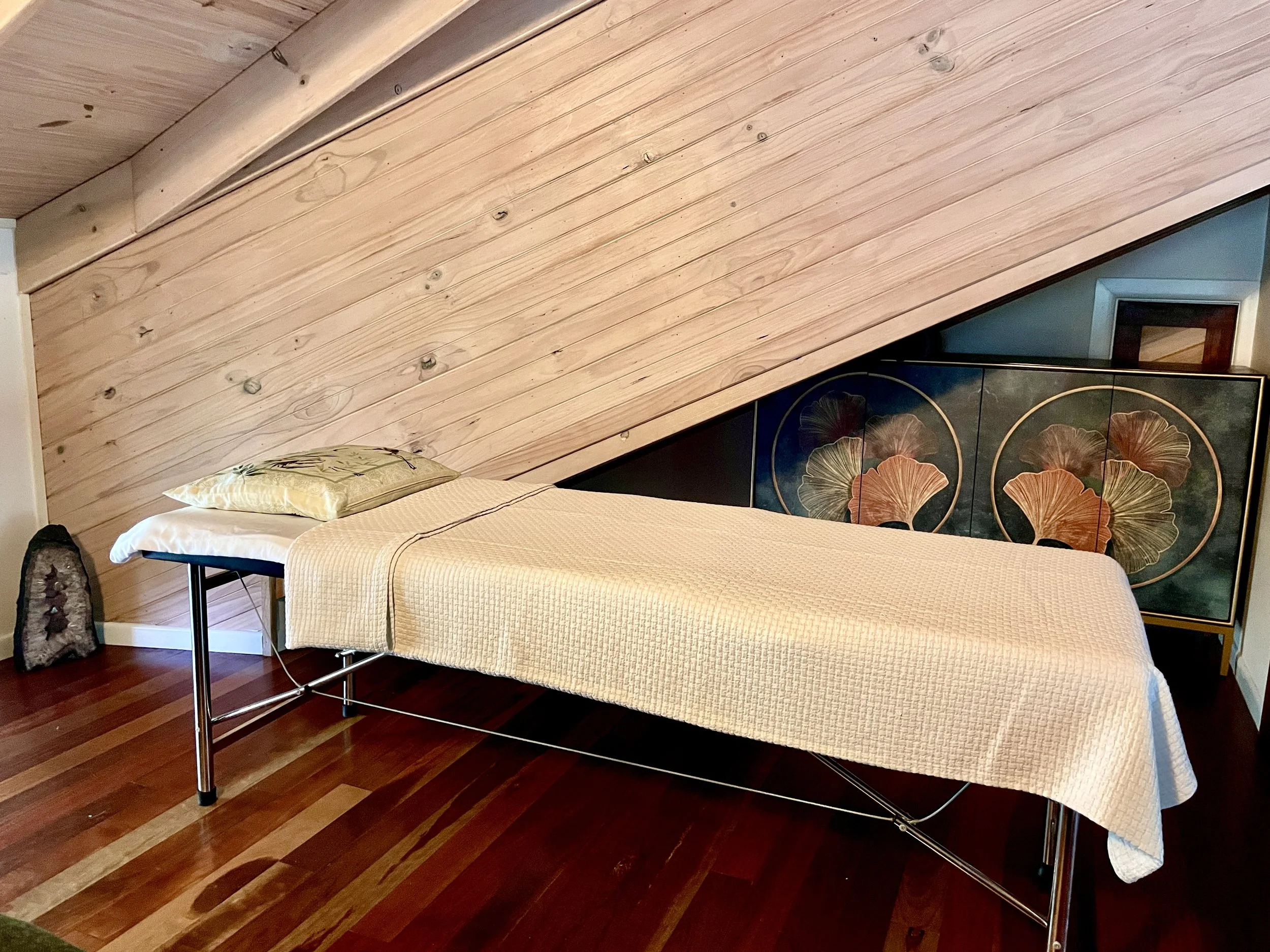
What is Embodied Breathwork?Embodied breathing is conscious connected breathing through the nose. This means the inhale & the exhale through the nose, without a pause in between breaths. Breathing through the nose activates the parasympathetic nervous system & can take the consciousness to a state of hypnosis (Theta brain waves). In this state, memories, thoughts, emotions & feelings that were once subconscious can come to the conscious mind. Intuition is also heightened & by using positive affirmations, negative beliefs & behaviour patterns can be altered. The practice also activates the limbic system, allowing for emotional release & subconscious reprogramming. Breathing specifically through the nose prevents over-breathing (hyperventilation) while maintaining deep presence & awareness & is a powerful practice that regulates the nervous system & facilitates deep healing. Embodied Breathwork is based on the technique of rebirthing Breathwork but has been renamed as there are some differences which include music being played throughout the session & assistance offered to the client, including touch.Benefits of Embodied Breathwork?Conscious connected breathing through the nose combines intentional breathing with mindful awareness, creating an opportunity to regular the nervous system, deepen self awareness & support emotional wellbeing. When guided by a trained practitioner & combined with intention setting & affirmations, the experience can become a powerful tool for personal growth & transformation. Benefits include:Cultivates presence & self awarenessDevelops emotional resilience - teaches individuals how to sit with discomfort, process emotions in a healthy way & respond rather than react.Releasing stored emotions & trauma - Unprocessed emotions & trauma often manifest as tension or disconnection in the body. Conscious breathing supports the nervous system in releasing these stored experiences, creating space for healing & integrationPromotes deep relaxation & supports nervous system regulationClear limiting beliefs (beliefs that a person may have about themselves that are not true)Brings awareness to suppressed trauma & patterns. When we bring awareness to thoughts, we can begin to unravel from healthy behaviours, habits & actions.Encourages a greater sense of calm presence & emotional balanceHelps reduce stress & tension held within the bodySupports increased self awareness & connection to thoughts, feelings & patternsCreates space to process & release suppressed emotions in a safe & suported environmentEnhances mindfulness & connection to the present momentImproves mental clarity & focusEncourages healthier breathing patterns that can support overall well beingStrengthens the connection between mind, body & breath - Many people live in their minds, disconnected from their physical & emotional bodies. Breathwork helps individuals trust their body's intelligence & break patterns of dissociation.Bring feelings of inner peace, self acceptance confidence & empowermentSupports spiritual connection - Breathwork can open expanded states of awareness, deepening connection to self, nature & existence.
Beginning a session with a clear intention helps create focus & direction for the experience. Intentions may relate to healing, personal growth, emotional release, self confidence or cultivating a desired state of being. Affirmations can help reinforce positive beliefs & support new perspectives. Combined with conscious breathing, they encourage greater self-compassion, resilience & alignment with personal goals & values. Working with a practitioner provides a safe, supportive environment in which to explore your breath & inner experience. Guidance throughout the session can help you remain present, deepen your awareness & navigate any emotions or insights that arise. While individual experiences vary, the majority of people leave a session feeling calmer, clearer, more grounded & more connected to themselves. How Does It WorkUsing the breath in a cyclical way, energy is increased throughout the body. Because of this increase, the energy begins to move. Conscious connected breathing through the nose shifts brain wave activity to Theta & Gamma waves, (similar to deep meditation) which are associated with visionary experiences & heightened intuition. From this, memories, thoughts, emotions & feelings that were once subconscious all come to the surface. The practice also activates the limbic system, allowing for emotional release & subconscious reprogramming. When the body feels safe, the mind feels safe. The presence of the facilitator adds another level of safety. The altered state of consciousness allows for a more expanded perspective with added objectivity & neutrality. This combination allows the person to feel safe enough so that unresolved emotions & memories come to the surface for gentle release through the breathing rhythm. Over time, this practice teaches individuals to move energy consciously, allowing stagnant or blocked energy to shift & flow in response to the increased energetic charge. What is Reiki?Benefits of ReikiStress reduction & relaxation - a deep sense of calm during & after a Reiki sessionReduced anxiety - long term as well as short term including healthcare situations such as during cancer treatment or prior to surgeryImproved sleep - falling asleep more easily & having better quality sleepEmotional wellbeing - being more emotionally balanced, grounded, or able to cope with life’s challengesIncreased self-awarenessEnhanced feelings of connection & purposeSupport During Illness or RecoverySpiritual Benefits - Promotes a sense of inner peace
What happens in a Breathwork & Reiki Session?You will be offered a choice of hot or cold tea & we will briefly discuss your reason for coming to do a Breathwork session, any current issues in your life & what you would like to see change. You can share as much or as little detail as you feel comfortable. There are no expectations. You will receive instructions on the technique & will then lie down & begin breathing in & out through the nose. Using the breath in a cyclical way, you begin to increase energy throughout your body. Because of this increase of energy in the body, the energy begins to move. There is a shift in your consciousness from Alpha to Theta brain waves. From this, memories, thoughts, sensations, emotions & feeling that were once subconscious can resurface.During this experience, suppressed emotions or memories may be brought into conscious awareness, which can results in feelings of sadness, grief, joy or love. Mouth breathing can sometimes results in anger however this is less likely in nasal breathing, as the parasympathetic nervous system is predominantly activated. It can also create feelings of release, relaxation, altered states or peace. Physically, you may experience tingling, warmth, shaking, or tetani (small muscle contractions). The breathing will go for approximately 45-60 mins & then there will be 15-20 minutes integration time. This is where Reiki will also be used to support you. Some people feel warmth, tingling or a flowing feeling. In this part of the session, people usually feel an incredible sense of peace, connection, relaxation, realisation & joy.After the integration time, you will have some time to journal if you wish & then we will finish the session with a discussion about your experience, & what changes you would like to see in your life.I am not your healer. You are your own healer & my role is to guide you in remembering your ability to heal & to guide you in recognising how you shape your reality. How Breathwork can Improve your lifeThe aim of this work is to help you develop healthier thought patterns, learn to feel and move through your emotions, and give you practical tools to use alongside your breath whenever challenges arise.
Our thoughts, emotions, & behaviours are deeply connected. Unhelpful thoughts can fuel difficult emotions, which may lead to unhealthy habits or reactions. By becoming more aware of your thoughts, you can begin to recognise these patterns and make more conscious choices about how you respond.
As your inner world changes, so do your choices. The quality of your life is shaped by the quality of your thoughts. Greater awareness of the words you use and the way you speak to yourself and others can reveal the subconscious beliefs you hold about yourself and the world around you. Once these beliefs are brought into awareness, they can begin to change.Taking responsibility for your thoughts, emotions, habits, and actions is a powerful step towards greater wellbeing, personal growth & happiness. Rather than feeling controlled by your past or your circumstances, you can learn to respond with intention and create a life that aligns with your values.Through conscious breathing, you develop the ability to observe your thoughts without becoming caught up in them, regulate your nervous system, and cultivate a deeper sense of presence, clarity, and inner calm.Booking Options
8 sessions are recommended because this is typically the amount most people need to develop a connected breathing pattern and build the capacity for deeper personal transformation.
-Leonard Orr, Founder of Rebirthing Breathwork

1 x Breathwork Only - $170
Tea & discussion about intentions - 20 minutesBreathwork - 60 minutesIntegration - 20 minutesDiscussion & affirmations/commitments - 20 minutes2HOUR SESSION TIME WITH 1 HOUR BREATHWORK———————————————————-
1 x Breathwork & Reiki - $190
Tea & discussion about intentions - 15 minutesBreathwork - 60 minutesIntegration & Reiki - 30 minutesDiscussion & affirmations/commitments - 15 minutes2 HOUR SESSION TIME WITH 1 HOUR BREATHWORK 30 MINS REIKI————————————————————————

1 HOUR SESSION———————————————-
1 x Reiki Only - $90
Tea & discussion about intentions - 5 minutesReiki - 50 minutesDiscussion & affirmations - 5 minutes4 Sessions Breathwork Only - $600
4 x 2 HOUR SESSIONS WITH 1 HOUR BREATHWORK———————————————————————
Initiation - Packages of 4 Sessions.
4 x Breathwork & Reiki - $700
4 x 2 HOUR SESSIONS WITH 1 HOUR BREATHWORK 30 MINS REIKI————————————————————————
4 X 1 HOUR SESSIONS———————————————————————
4 x Reiki Only - $320
8 Sessions Breathwork Only - $1200
8 X 2 HOUR SESSIONS WITH 1 HOUR BREATHWORK————————————————————————
Integration - Packages of 8 Sessions.
8 x Breathwork & Reiki - $1400
8 X 2 HOUR SESSIONS WITH 1 HOUR BREATHWORK 30 MINS REIKI—————————————————————————
8 X 1 HOUR SESSIONS———————————————————————-
8 x Reiki Only - $640
The Science Behind Breathwork The science of Breathwork - How it WorksBreath is the foundation of life, linking body, mind & consciousness. The breath can affect the nervous system. The rhythm, depth & pattern of breathing determine whether the body is in a stress response or a state of rest, healing & expansion. Mouth breathing (especially rapid or erratic breathing) can cause hyperventilation & sympathetic nervous system activation (fight or flight mode). Nasal breathing (especially slow & deep) activates the parasympathetic nervous system (rest & digest mode). Conscious connected breathing through the nose keeps the body in an optimal state of balance, preventing excessive activation while still allowing for a deep emotional processing. This rhythm encourages full oxygen exchange & maintains Carbon Dioxide (CO₂) balance, preventing excessive vasoconstriction (blood vessel narrowing). Nasal breathing also activates the parasympathetic nervous system, keeping the body in a regulated state, promoting deep relaxation & emotional integration.The vagus nerve is a key part of the parasympathetic nervous system & connects the brainstem to the heart, lungs & digestive organs. Nasal breathing stimulates the vagus nerve promoting relaxation, emotional regulation & nervous system resilience. Longer exhales (without forcing) enhance vagal tone, helping the body process emotions, trauma & stored tension safely. You will be supported by being guided to keep your nasal breathing steady. The Science of Breathwork - Symptoms in BreathworkMany people assume that the urge to breathe is triggered by low oxygen, however, it is actually rising CO₂ levels that are the main driver of the breathing reflex. During a continuous, connected breathing pattern, as breathing becomes deeper & more continuous, Oxygen is inhaled & CO₂ is exhaled. If an individual was exercising CO₂ would be being produced by the body tissues & needing to be expelled. However, because a participant is lying down in Breathwork, not producing a large amount of CO₂ to be expelled, more CO₂ is being expelled than is being produced by the body tissues, which can temporarily lower CO₂ levels in the blood (the blood becomes temporarily more alkaline). This can change the body’s acid-base balance & can lead to the physical sensations commonly experienced during Breathwork including tingling & light-headedness. The low CO₂ in the blood can also increase the sensitivity/excitability of nerves & muscles, resulting in muscle tightness, or temporary involuntary muscle contractions (tetany). These sensations are related to changes in carbon dioxide (CO₂) levels rather than oxygen levels - which actually remain high because of increased intake of air. In healthy individuals, oxygen saturation typically remains within the normal range throughout the session, even when these symptoms are present. Nasal breathing naturally helps regulate airflow & maintain higher levels of CO₂ more effectively than mouth breathing, often resulting in a gentler & more balanced Breathwork experience while still allowing access to the benefits of the practice.All physical sensations experienced during a Breathwork session are closely monitored by your facilitator, & participants are encouraged to communicate any concerns or discomfort at any time throughout the session.The Science of Breathwork - CO₂, Cerebral vasoconstriction & vasodilationCO₂CO₂ is often referred to as a waste product, which is true, however is also plays a crucial role in oxygen transport from the blood to the tissues. This is called the 'Bohr Effect' - Increased CO₂ levels helps oxygen leave haemoglobin. When CO₂ levels are balanced, oxygen is more effectively released from haemoglobin to the brain & tissues. When there is excessive mouth breathing or hyperventilation, CO₂ in the blood can decrease very low, & although oxygen levels in the blood remain normal (95-100%), oxygen is held more tightly by the haemoglobin, which makes it harder for oxygen to be delivered efficiently to the body’s tissues. Nasal passages are much more narrowed than the mouth opening, which naturally regulates airflow, making it harder to hyperventilate excessively with nasal breathing.VasoconstrictionCerebral vasoconstriction is the narrowing of blood vessels in the brain, reducing blood flow & oxygen delivery. This can occur naturally in response to stress, dehydration or rapid shifts in CO₂ levels. Chronic stress & trauma naturally induce vasoconstriction as part of the fight/flight response. Long term vasoconstriction can impact cognitive function, emotional processing & awareness. Conscious connected breathing helps interrupt this cycle by training the nervous system to regulate circulation & release tension. While Breathwork is known for increasing circulation (vasodilation), intense breathing patterns - especially over-breathing (breathing too fast or too deep - even through the nose), can trigger vasoconstriction.The body uses CO₂ as a signal for how much blood flow is needed. When CO₂ levels are normal, blood vessels stay relatively relaxed and open so blood flows normally to the brain. High CO₂ indicates that the tissues & cells are working hard & producing lots of metabolic waste, which results in increased blood flow to the tissues. Low CO₂ indicates that issues appear to need less blood flow so the body decreases blood flow to the tissues by constricting the vessels. Hyperventilation during Breathwork causes the body to interpret the unusually low CO₂ as a signal that less blood flow is required, so the blood vessels constrict. This can cause experiences of dizziness, visual changes such as tunnel vision, or a feeling of emotional detachment. This is one reason why hyperventilation can make someone feel faint even though they have plenty of oxygen in their blood. If this occurs, the individual will be guided to slow their breathing & extend the exhale. A prolonged exhale naturally increases CO₂ retention, helping restore cerebral blood flow & balance oxygen delivery. Nose breathing helps regulate CO₂ more effectively than mouth breathing, preventing excessive CO₂ loss that can lead to this potential vasoconstriction, supporting steady oxygen delivery & brain function. The participant will also be encouraged to shake the arms & legs which will also increase production of CO₂ in the tissues, helping to rebalance the Co2 in the blood. Increased breathing —> CO₂ expelled faster than it is produced —> Low CO₂ —> Body thinks cells/tissues don’t need ventilating —> Vasoconstriction —> Decreased oxygen deliveryThe Science of Breathwork - Nasal breathing & Nitric OxideNitric oxide (NO) is a gas produced throughout the body which acts as a signalling molecule that helps regulate blood vessel dilation, blood flow & oxygen delivery. The paranasal sinuses (air-filled spaces around the nose) continuously produce NO. During nasal breathing, air passes through the nasal passages & sinuses, NO mixes with the inhaled air, which is then carried to the blood stream via the lungs. Mouth breathing bypasses this process resulting in much less NO reaching the lungs. Higher NO levels contribute to improved circulation & brain function, deep nervous system relaxation & enhanced neuroplasticity & emotional integration. Rebound vasodilationCerebral vasodilation is a powerful physiological process in Breathwork that enhances oxygenation, brain function & emotional healing. During Breathwork, moments of deep breathing may initially lower CO₂ (hypocapnia) causing temporary vasoconstriction. However as the body recalibrates, CO₂ levels stabilise again, leading to rebound vasodilation - a surge of fresh, oxygen-rich blood flows to the brain. This often brings deep relaxation, emotional release & processing, expanded awareness or mental clarity. Increased cerebral flow during Breathwork also shifts brainwave activity towards Theta & Gamma states, frequencies associated with deep meditation, intuitive insight & emotional breakthroughs. This may explain the psychedelic-like experiences some people have during Breathwork, where suppressed memories, emotions & expansive realisations surface. This explains several reason why breathing through the nose rather than the mouth is encouraged in this technique, as it naturally helps regulate breathing which maintains higher levels of CO₂ & O₂ in the blood - both essential for efficient oxygen delivery & blood vessel dilation. Nasal breathing also supports a calmer, more balanced nervous system. Breath is not just a physiological function - it is an energetic bridge to deeper awareness, emotional release & spiritual transformation. By balancing physiology, CO₂ regulation & energy flow, a Breathwork journey can be guided in a way that is both powerful & grounding. Energetic Purification - Honouring the ElementsThe goal of spiritual practices is to clean & balance our energy. Our emotions & the emotions of the people around us/the surroundings we spend time in, impact the energy in our body. If a workplace is stressful, we will accumulate stressful energy. The elements can be used to purify our energy.AIR - Breathwork, Pranayama practicesEARTH - Standing or sitting on the earth, Walking in the bush/forest, Bare feet on the ground, Being in nature, Hug or place palms on a treeFIRE - Fire gazing, Building a fire, Candle gazing, Sunset gazingWATER - Water not only cleanses our body, it also regenerates & transforms the negative energy that we accumulate during a day. Water fasting, Water bathing (bath or ocean), Showering can assist in the cleansing of your energy field. ETHER - Music, Sound healingOptions of Essential Oils & BenefitsOptions of Hot or Cold Teas & BenefitsSubconscious MindThe subconscious mind is made up of thoughts, beliefs, memories, emotions, and learned patterns that exist outside of your conscious awareness. Many of these patterns develop through repeated life experiences, particularly during childhood. Often, a memory is linked with a physical sensation or emotional response that is stored in the body.
When experiences are stressful, overwhelming, or unresolved, the mind and body may continue to hold onto them. Over time, these experiences can shape your beliefs, perceptions, and automatic reactions without you even realising it.
Many of the emotions and behaviours that are triggered by situations today are influenced by experiences from your past that felt similar. In other words, your subconscious mind uses what it has learned before to interpret what is happening now.
This process happens automatically until you bring awareness to your triggers and begin to understand where they come from. With awareness comes the opportunity to respond differently, rather than reacting from old patterns.Conscious MindThe conscious mind is made up of the thoughts, beliefs, feelings, and memories that you are aware of. It influences how you see yourself and the world around you.
Supportive thoughts help you grow, create a sense of balance, and encourage positive experiences in your life.
Limiting thoughts often come from beliefs formed through past experiences, especially when we misunderstood or misinterpreted what happened. Over time, these beliefs can shape how we see ourselves and influence the choices we make, even when they are no longer true or helpful.Belief SystemsBelief systems are the collection of beliefs we have about ourselves and the world around us. They influence our decisions, behaviours, thoughts, and habits. Many beliefs are formed through repeated life experiences, especially during childhood or after emotionally significant events. The more we think a belief, the stronger it becomes. Every person has both affirming beliefs and limiting beliefs. These beliefs shape our thoughts, which influence our behaviours and habits, often reinforcing the beliefs we already hold.We begin absorbing our parents thoughts & feelings when we are in the womb. Our own beliefs begin forming before we are born through our early environment & continue to develop throughout childhood. They are strongly shaped by our relationships and experiences, particularly during the first 7–8 years of life & become more solidified from 8 to late teens. We create an understanding of ourselves based on how others treat us. When something happens—big or small—we often form a belief about ourselves. If similar experiences happen repeatedly, that belief can become stronger.For example, a child who is repeatedly bullied may begin to believe they are not good enough. A teenager who experiences several difficult breakups may begin to believe they are unlovable. We then tend to interpret future situations in ways that support these beliefs, even when there may be other explanations. For example, each partner may have had their own personal reasons for ending the relationship, but the subconscious mind interprets it as confirmation of the existing belief.Most belief systems operate outside of our conscious awareness. We often accept them as facts, just as we accept that the sky is blue. As a result, they can become part of our identity, and we may unknowingly build our lives around them—for example, “I’m not smart enough for that career.” The good news is that beliefs are learned, which means they can also be changed.By bringing awareness to our beliefs, we can begin to question them, choose healthier thoughts, observe our behaviours and habits, and gradually create new, more supportive beliefs.Breathwork helps regulate the nervous system, creating a greater sense of safety, connection, and calm. From this more regulated state, it can become easier to notice and challenge limiting beliefs, while strengthening beliefs that support love, belonging, peace, and self-worth. Some beliefs are easier to change, while deeper core beliefs may resurface over time. Repeating affirmations alongside breathwork can be a powerful way to support this process and reinforce new ways of thinking.Trauma & the Nervous SystemTrauma is any experience where an individual is unable to regulate their nervous system after a single event or a series of recurring events—both can be equally significant. It often begins in childhood, as children are naturally less able to regulate their nervous system, especially if their parents or caregivers have difficulty regulating their own. As Gabor Maté describes, “It shapes the way we live, the way we love, and the way we make sense of the world.” Everyone’s nervous system is different and is influenced by their caregivers, upbringing, and life experiences.
Acute trauma is a specific event, such as abuse or a traumatic accident. This trauma can be compounded if the individual is left alone with the experience—they have no one to talk to about it, or their experience is invalidated when they do. Long-term reactions may include unpredictable emotions, flashbacks, strained relationships, and even physical symptoms such as headaches or nausea.
Recurring events can seem small but, over time, can have just as significant an impact. Examples include teasing or bullying, emotional instability from a parent or caregiver, regular experiences of mild neglect, inconsistent parenting, disapproval or lack of approval, being repeatedly told you’re wrong, or verbal abuse. Regardless of how big or small the incident was, if the individual’s emotional needs were not met afterwards, they were unable to regulate their nervous system, and they felt alone in the process, the body and nervous system may respond to that experience as trauma.
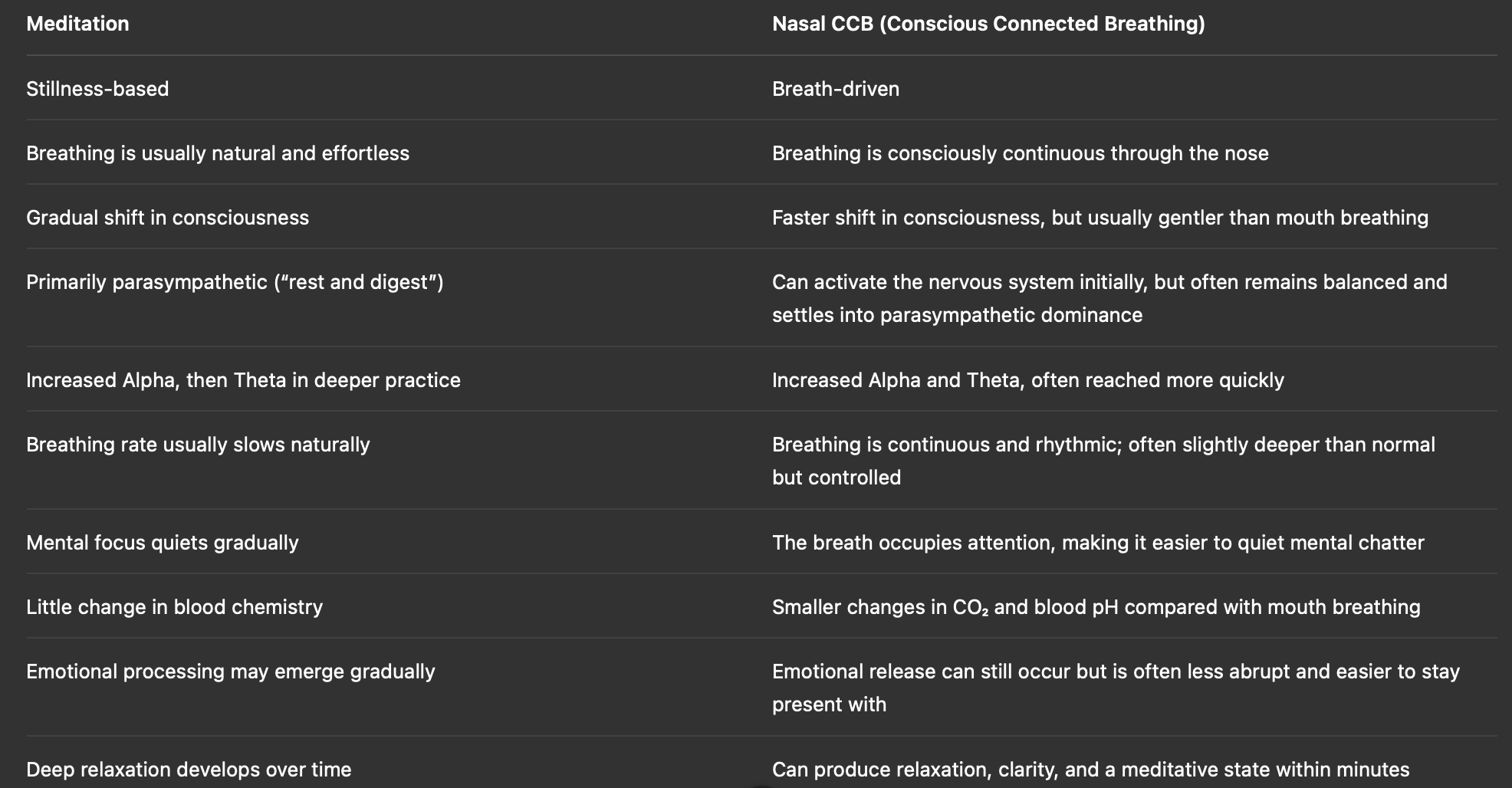
As adults, we often repeat the behaviour patterns we experienced in our relationship with our parents or caregivers. Children naturally look to their parents to co-regulate their nervous system. If the parents are unable to regulate themselves, the child may struggle to learn how to regulate their own nervous system. An unregulated nervous system might show up as shouting, swearing, emotional outbursts, or relying on external substances such as alcohol.EmotionsEmotional intelligence refers to the ability to recognise, understand, regulate, & respond to emotions in ourselves and others. Some researchers suggest that emotional intelligence can be learned & strengthened. The more self-awareness an individual develops, the better they are able to identify their emotions & navigate them with greater awareness.Emotions are biological responses triggered by neurotransmitters & hormones released by the brain. Feelings are the conscious experience of those emotions. They are shaped by our personal experiences, beliefs, nervous system state, memories, & the thoughts we associate with a particular emotion.Many of us have been taught from a young age that “feeling is bad.” As a result, we often suppress difficult emotions. We may even shame ourselves for having feelings, which creates tension & stress within us. Over time, carrying unresolved emotional stress can contribute to ongoing feelings of discomfort & disharmony. These are often long-term patterns rather than just a few bad days.Offering yourself words of validation is a way of giving yourself permission to feel what you are feeling. This does not mean staying stuck in an emotion or emotional state, but rather allowing that part of yourself to be acknowledged & accepted. Sometimes, simply giving yourself permission to feel & witnessing the emotion without judgement is enough to help it soften & integrate.Forgiveness & making peace with an experience can help create acceptance of what happened. For many people, this can be a deeply healing practice, as it invites greater ease & compassion into what was once a painful experience. That said, not everyone is ready to forgive, & that is OK. Forgiveness cannot be forced—it can only happen when you are ready.DMT & BreathworkDMT (Dimethyltryptamine) is a naturally occuring compound found in plants, animals & the human body. It is believed to play a role in altered consciousness. vivid dreaming. It is believed that DMT is released in higher quantities at birth, death, near death experiences & possibly deep meditation & breathwork. While research is still evolving, deep rhythmic breathing has been linked to physiological changes that may stimulate or activate endogenous DMT production. Some traditions believe that deep Breathwork stimulates pineal function, potentially influencing DMT synthesis or receptor activity. Whether or not Breathwork directly releases DMT it activates the mind & body in ways that induce powerful altered states that can resemble psychedelic experiences, expand awareness & facilitate healing. Many participants report vivid visuals, deep emotional catharsis & clarity, expanded states of consciousness, profound insights & spiritual connection. Mind-Body ConnectionThe mind & body are connected, constantly influencing one another. When stress, challenging experiences or trauma are not fully processed, the mind stores the unresolved energy in the body as muscular tension, restricted breath, emotional suppression or energetic blockages. This occurs because the nervous system is designed to protect you. When faced with perceived threats (whether physical, emotional or psychological) the body responds through fight, flight, freeze or fawn mechanisms. If the experience is not fully integrated, the body holds onto the energy of the event, keeping it active beneath conscious awareness. Over time, these stored imprints shape your thoughts, emotional responses & behaviours, often manifesting as chronic tension or pain in the body, shallow or irregular breathing patterns, emotional numbness or hyper-reactivity, subconscious beliefs & habits that reinforce limitation. Breathwork serves as a bridge between the mind & the body, creating space for these stored energies to be acknowledged, processed & released. By consciously engaging with the breath, you can bypass mental resistance & directly access the body’s intelligence, allowing tension to unwind & energy to flow freely. Through this process, the nervous system recalibrates, fostering a deep sense of relaxation, clarity & embodiment. Comparing Breathwork with MeditationThe brain produces electrical activity that can be measured as different frequencies:In traditional meditation, including many forms (Mindfulness, Zen, Vipassana), Beta activity gradually decreases & Alpha waves increase as the mind relaxes. Theta waves may increase during deeper meditation & some advanced meditators show bursts of Gamma activity associated with heightened awareness & compassion. The nervous system generally shifts toward increased parasympathetic activity - lower heart rate, lower respiratory rate & reduced stress hormones. People often describe calmness, stillness, spacious awareness & reduced mental chatter.Conscious Connected Breathing often produces a different neurological state because breathing is intentionally altered. During faster, continuous breathing, the nervous system activity changes significantly. Researchers have found that Breathwork practices can produce increased Theta activity, increased Alpha activity, temporary decreases in ordinary Beta thinking & occasionally Gamma bursts during peak experiences. People often report strong emotions surfacing, vivid imagery, altered states of consciousness, tingling sensations, feelings of transcendence or unity & emotional release.These can be experienced during a single CCB session, whereas meditation may take much longer to reach a similarly altered state. Both practices can lead to similar meditative brain states, but they take different routes. Meditation starts with training attention & awareness, while nasal CCB uses a conscious breathing pattern to influence the nervous system, which in turn calms the mind. For many people, nasal CCB can feel like a bridge between traditional meditation & more intense breathwork, offering many of the benefits of both with fewer of the stronger physiological effects seen in mouth-breathing techniques.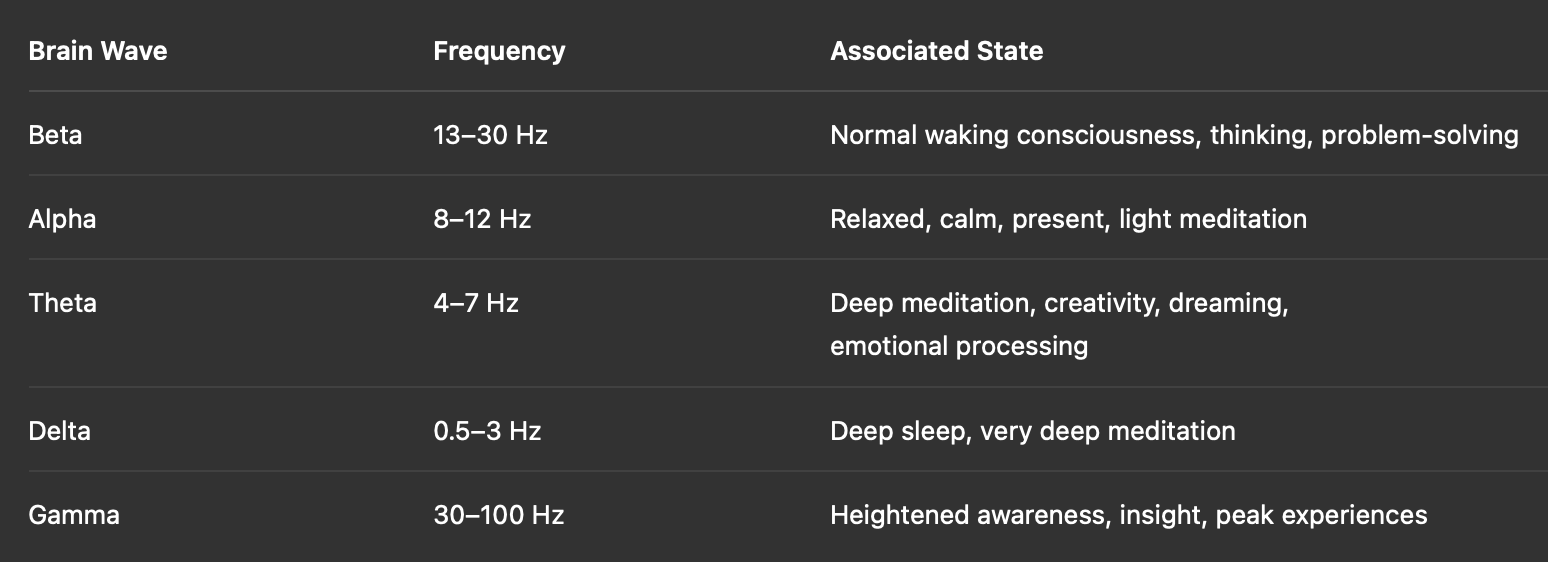
The History of Breathwork - Leonard OrrAlong with Breathwork, practices of yoga, meditation, cultivating a positive mind, utilising positive affirmations & eating a healthy diet are recommended. You are also encouraged to practice spiritual purification with the elements of air, water, earth, fire. Breathwork is a complementary wellness practice & is not intended to diagnose, treat, cure or prevent any medical or mental health condition. FAQ - Can I have a shorter breathwork session?A 2-hour session is recommended because the body and nervous system need time to prepare for and integrate the practice of Conscious Connected Breathing (CCB). The breathing component itself is typically around 60 minutes. This is because most people’s breathing process naturally unfolds over approximately 60 minutes, although some people may move through it more quickly and others more slowly. During the first 10–20 minutes, most people are simply settling into the breathing rhythm, adjusting to changes in CO₂ levels, becoming aware of bodily sensations, and shifting their attention from the mind into the body. As the session continues, physical sensations and emotions often become more noticeable, with deeper emotional processing, memories, or insights commonly emerging later in the practice. If the breathing is stopped after only 20–30 minutes, it may interrupt someone while they are in the middle of processing an emotion or past experience.The remainder of the session is dedicated to grounding and integration, giving participants time to rest, reflect, and process their experience. This integration period is considered just as important as the breathing itself. Many breathwork practitioners believe that this longer format supports deeper nervous system regulation, the release of chronic tension, and more complete emotional processing.FAQ - What is a Trauma Informed PractitionerA trauma-informed practitioner is a professional who understands how trauma can affect a person’s brain, body, emotions, relationships & behaviour, & adapts the way they work to avoid causing further harm while supporting healing. Being trauma-informed doesn’t necessarily mean the practitioner specialises in trauma. Rather, it means they approach every client with the understanding that past trauma may be influencing their experiences, even if it hasn’t been disclosed.A trauma-informed practitioner typically follows these principles:Safety: They create an environment where the participant feels physically & emotionally safe.Trust & transparency: They explain before doing anything, respect boundaries, & don’t pressure the participant.Choice: They give the participant options & encourage them to make decisions relating to their own session.Collaboration: They work with the participant rather than acting as the expert who knows what’s best.Avoid re-traumatisation: They work at the participant’s pace & don’t push them to revisit painful experiences before they are ready.Trauma can leave the nervous system in a heightened state of alert or protection. A trauma-informed practitioner recognizes this & works in a way that supports the participant’s sense of safety, autonomy, & connection. Rather than trying to “fix” the participant, they help create the conditions in which healing can occur at a pace the participant’s nervous system can tolerate.
FAQ - What causes Tetani (cramping of hand & mouth muscles)
When you breathe rapidly or deeply for an extended period, sufficient oxygen is inhaled, but more carbon dioxide (CO₂) is exhaled than your body is producing. Blood CO₂ levels fall (hypocapnia) so the blood becomes more alkaline (respiratory alkalosis). This changes how calcium behaves in the blood. Nerves & muscles become more excitable, leading to involuntary contractions.
In most healthy people during a supervised breathwork session, tetany is uncomfortable but not dangerous & usually resolves when breathing returns to normal & CO₂ levels recover.
FAQ - Why don't I remember much of my Childhood?Difficulty remembering parts of childhood can be associated with trauma, particularly when experiences were overwhelming or chronic. One possible explanation is dissociation, where the brain reduces awareness of an experience to help a child cope. This can result in fragmented, vague, or inaccessible memories later in life.
However, there are many other reasons why someone may have few childhood memories, including normal childhood amnesia (most adults remember very little before age 3–4), memories naturally fading over time or a childhood that was relatively routine & lacked many distinctive events.It can actually be quite normal & common for someone to not remember much of their childhood, only glimpses. These glimpses are also often difficult events. The brain has a negativity bias, meaning it naturally pays more attention to negative experiences than positive ones. This evolved as a survival mechanism. Remembering threats, dangers, & painful experiences helped our ancestors avoid harm & stay alive. As a result, negative experiences are often stored more strongly in memory than positive ones.The good news is that, through practices such as mindfulness, gratitude, therapy, & Breathwork, we can strengthen our awareness of positive experiences & reduce the influence of this bias over time.FAQ - Why Nose Breathing Over Mouth BreathingBreathing through the mouth brings repressed emotions & feelings to the surface & while breathing through the nose also does this, it has the added advantage of helping integrate these emotions. If emotions surface & they are not integrated promptly, they can cause emotional instability & confusion.
There are also several physiological changes that can happen in the body with mouth breathing that can cause more severe side effects (dizziness, disassociation), explained here:
About MeI have always felt most at home in nature, particularly by the ocean or in the mountains. From a young age, my dream was to work with animals, which led me to study Marine Biology before completing a degree in Veterinary Medicine. While at university, I worked as a snowboard instructor in my holiday periods. After graduating, I spent 10 years working as a veterinarian in Sydney and was fortunate to help on multiple volunteer veterinary trips to Brazil and Fiji.While I loved being a veterinarian, the demands of the profession became overwhelmingly stressful. I realised I wanted a lifestyle that offered a greater connection to nature & a healthier work–life balance. My partner & I moved to the Northern Rivers, where we welcomed our daughter, Jupiter. I have always loved surfing, snowboarding, scuba diving, sailing, music festivals, sharing delicious food with friends, and travelling to experience the world’s incredible natural landscapes and diverse cultures. I look forward to experiencing more of the world, but at the moment I am very busy being a mother which I am incredibly grateful to be able to experience. These days, I enjoy spending time in the garden growing flowers & food, cooking nourishing meals, & heading off on adventures with my family, usually music festivals or camping in the bush.When I first witnessed the impact Breathwork could have on people in such a safe way & a short period of time, I immediately felt called to study this practice. I knew that this was a powerful way that I could help people so I trained as a Breathwork facilitator & I feel excited to share this work with others.